


COVID Is Spreading In These Regions Right Now — Here Are The Symptoms To Watch For
COVID Is Spreading In These Regions Right Now — Here Are The Symptoms To Watch For

Jillian Wilson Tue, August 18, 2026 at 4:02 PM UTC
698
More and more people throughout the United States are coming down with COVID-19 as we head toward the end of summer.
According to data from the Centers for Disease Control and Prevention, COVID-19 infections are increasing or likely increasing in all 50 states.
Health: Are You An 'Echoist' Without Even Realizing It?
“Overall, put together in the U.S., the trend does seem to be going up,” said Dr. Geeta Sood, an infectious diseases physician and epidemiologist at Johns Hopkins Medicine in Baltimore.
CDC data shows that cases are increasing most in the South and West, but cases are on the rise outside of these regions, too.
“It doesn’t seem to be ... at the high levels that it was last year, and it’s not unusual for us to be seeing upward trends in late summer because we’ve been seeing that for a few years now,” Sood said.
COVID tends to peak several times throughout the year — in September-October and again later in the winter, according to Dr. Michael Angarone, an infectious diseases specialist at Northwestern Medicine in Chicago.
Health: COVID Cases Are Increasing In These Areas. Here’s What Experts Want You To Know.
Overall, your chance of getting COVID-19 right now is on the lower side, but it is certainly still possible, Angarone noted.
“The number of cases and the burden of SARS-CoV-2 is on the low side, but that can change, and and I think we are expecting that it’s going to change as we go into that fall, early winter season,” he said.
The most common COVID-19 symptoms are what you’d expect.
If you do get COVID-19 this summer or early fall, you’ll likely notice the same upper respiratory symptoms you associate with a COVID-19 infection.
According to Angarone, those are “runny nose and a little bit of congestion, sore throat, fevers.” With more severe COVID, you may notice difficulty breathing, a bad cough and shortness of breath, he added.
“Now that pretty much everyone has probably had COVID at least once, it’s still those same symptoms — that upper respiratory symptoms — and the illness still falls into that respiratory viral category,” Angarone said.
Like this article? Keep independent journalism alive. Support HuffPost.
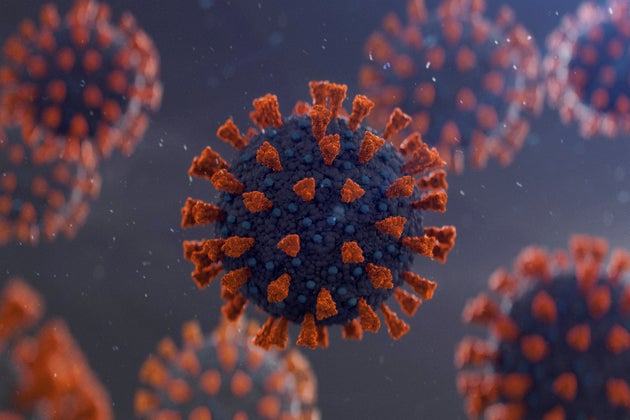
Levels of COVID-19 are growing, or thought to be growing, in all 50 states.Yuichiro Chino via Getty ImagesWith rising COVID-19 levels, here’s how to protect yourself.
COVID is not a virus that’s easy to predict, but Sood said it’s reasonable to think that cases will continue to increase as fall nears.
“Part of the reason is because of what we’ve seen in previous years and part of it is the reduced immunity that we’re seeing,” Sood said.
Health: 3 Weird Things That Are Actually Normal When You Start Therapy, According To Therapists
Advertisement
Immunity levels throughout communities are very low due to poor vaccination rates (just 17.5% of adults got the last COVID shot) and low levels of immunity from infection, Sood explained.
“We haven’t seen huge waves like we did [with] the Omicron wave, which pretty much infected everybody. Therefore, it’s very likely and possible that if you’re exposed, you’re more likely to develop disease,” Sood added.
How can you protect yourself? There are several steps you can take.
“Air hygiene,” as Sood calls it, is a great way to protect yourself, which includes “opening windows, not being in crowded, congested areas and wearing masks.” These practices also protect you from other respiratory viruses.
Health: The 'Stratus' COVID Variant Is On The Rise — Here Are The Most Common Signs And Symptoms
The COVID vaccine is also a great way to prevent severe infections and hospitalization and decrease your risk of developing long COVID.
“I still recommend to people to get vaccinated,” Angarone said. “We know the vaccine is the best way to prevent serious illness ... and I think that goes for all ages.” Vaccination is important and helpful whether you’re immunocompromised or not, he said.
“I think just protecting ourselves and each other as best we can will keep this virus at the lower state that it is, and not the severe infections we were experiencing four and five years ago,” Angarone said.
If you get sick or are exposed to COVID-19, there are also a few things you should know.
If you do notice upper respiratory symptoms like runny nose or cough, get a COVID test, Angarone said. If you test positive, stay home and away from others so you don’t get them sick, too.
Health: COVID Cases Might Be Down, But Doctors Are Seeing An Increase In Another Respiratory Illness
If you test positive, let your doctor know so they can prescribe the best treatment, Sood added.
Many folks are eligible for Paxlovid, an antiviral treatment that can help you get better faster.
If you’ve been around someone who tests positive for COVID, there’s also a new treatment that may help you stay healthy. The prescription pill, Xocova, is recommended for use after exposure to someone with COVID-19 and helps prevent a COVID infection in people ages 12 and older. The medication is meant to be started within 72 hours of direct exposure, according to Angarone, such as after interacting with a co-worker or a sick partner.
“It’s hard to know what the benefit of this medication is for kind of general exposure,” such as taking it after being on an airplane or at a concert. “If they know they’ve been directly exposed, I think talking to their primary clinician about getting this medication, especially if you can get to that provider within 24, 48 hours of that exposure, we know that there’s benefit to that,” Angarone added.
And some may benefit from it more than others.
“The question becomes, who should use it? Like if it was me ... hypothetically, living with other healthy adults, the benefit may not be as great,” Sood said. “But if you’re in a nursing home or are living with somebody with high-risk conditions, it’s a truly effective medication that’s been studied beautifully.”
Related... -
There's A New, More Effective Flu Shot For Adults 50 And Over. Here's What To Know.
If You Live In These Areas, Experts Want You To Know COVID Cases Are Rising
How Doctors Treat Their Own Colds At Home
Changing Your Clocks May Be Annoying — But Doctors Warn Permanent Daylight Saving Time Will Be A Lot Worse
Read the original on HuffPost
Source: “AOL Breaking”
